
Customers want something more than just a traditional loyalty card or email coupons in today’s digital world. Digital loyalty programs, when integrated into mobile wallets, enable rewards and promotions to be instant, easy, and always at their customers’ fingertips. This can be achieved by integrating payments, points, and personalized promotions in one place, thereby enhancing the business’s ability to engage its customers in a convenient way.
How Loyalty Programs Are Moving Into Digital Wallets
Customer loyalty has undergone a significant change in recent years. Earlier, it was always about physical cards, physical coupons, or even email-based ones. But today, the world has moved so fast that customers are looking for something even faster and better. They are looking for something they can access instantly and, most importantly, something they can access on their phones.
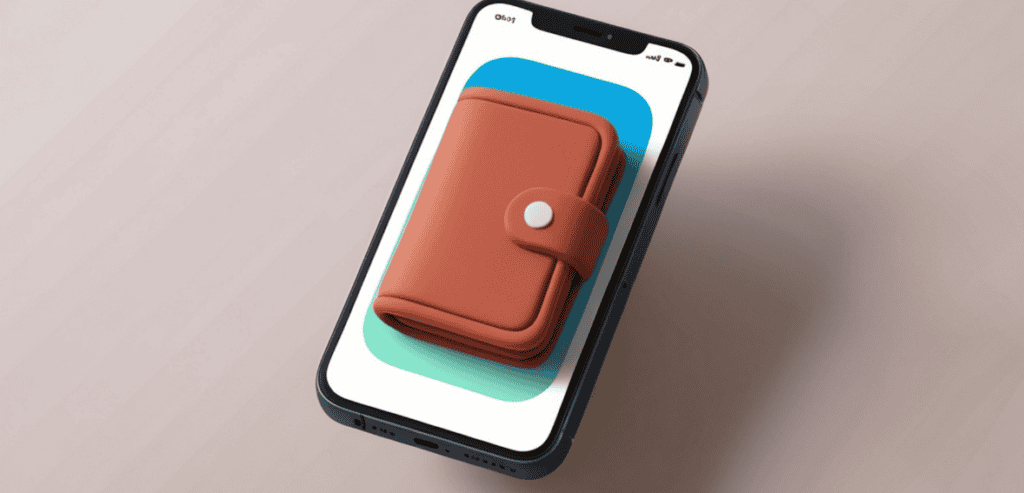
The rise of digital wallets has started playing a significant role in changing the way loyalty schemes operate. It has made it easy for consumers to access everything they need from a single place on their phones. They no longer have to carry multiple cards for different loyalty schemes. They can access loyalty points, discount vouchers, and membership cards with just a few clicks.
What makes digital wallets even more useful is how they combine loyalty with daily spending. Every time the customer makes a purchase, whether it is an online purchase or an offline purchase, rewards can be added. The customer does not need to scan any cards or remember any information. The entire process is done in the background, making it smooth and seamless for the customer.
Secondly, a significant advantage is how it provides real-time engagement. Businesses can now send instant offers, reminders, or even deals to the customer’s phone without much hassle. This helps businesses stay connected with their customers without becoming intrusive. Over time, it helps to build stronger relationships with customers.
Digital wallets also help businesses understand customer behavior. This helps them offer more personalized rewards and deals to customers. This is beneficial for both parties, as it increases customer satisfaction as well as repeat business.
In simple terms, traditional loyalty programs are evolving. They are becoming an extension of how we pay and how we interact with businesses every day.
Brands Leading the Way in Digital Wallet Loyalty
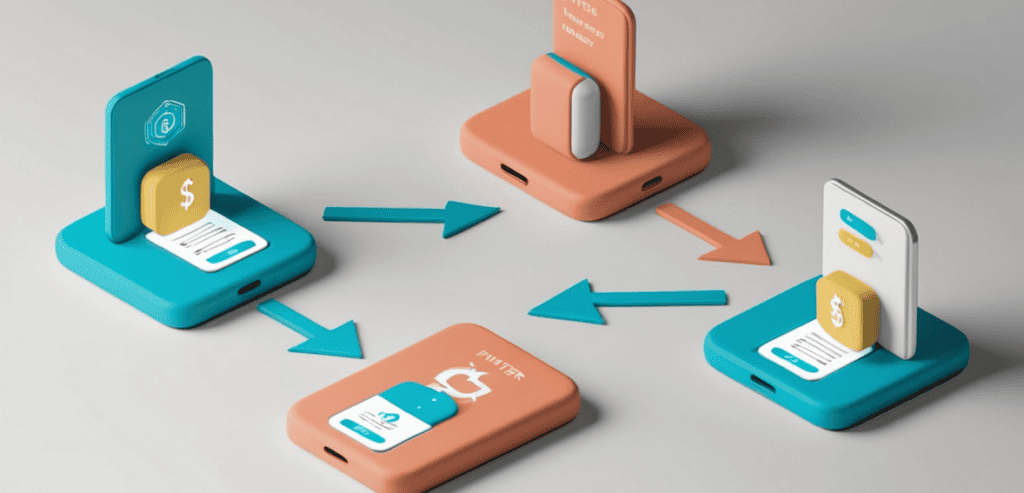
Many popular brands are currently bringing this experience of payments and loyalty together in one single experience. The experience has become not only faster and more accessible but also more exciting.
First, Starbucks, which is the best example of the power of digital wallets in customer loyalty. The Starbucks mobile application has become a digital wallet where users can add money and make payments for their orders while earning reward points. The users do not need to use the physical loyalty card because the reward points get earned automatically when they make payments.
The application offers users exciting offers like “Buy More and Earn Rewards.” The application has introduced the “Fun Factor” into the user experience through challenges and reward points. The application integrates smoothly with Apple Pay and Google Pay. A significant percentage of Starbucks transactions are made through the Starbucks app.
Secondly, Zappka is another good example of digital loyalty. This is an application that serves as a wallet, where users store their loyalty cards and make purchases. This is a good example of how digital loyalty is making shopping easier. One can even scan products and pay through the application. This is also a good self-service approach to shopping.
Third, Lidl, which has managed to integrate its payment and loyalty system, Lidl Pay, into its own system. This is an application that allows customers to link their bank accounts and make payments directly. This means that customers do not have to use their physical cards. This is a good example of how digital wallets are making shopping easier.
Why Do Brands Rely On E-wallets for Loyalty?
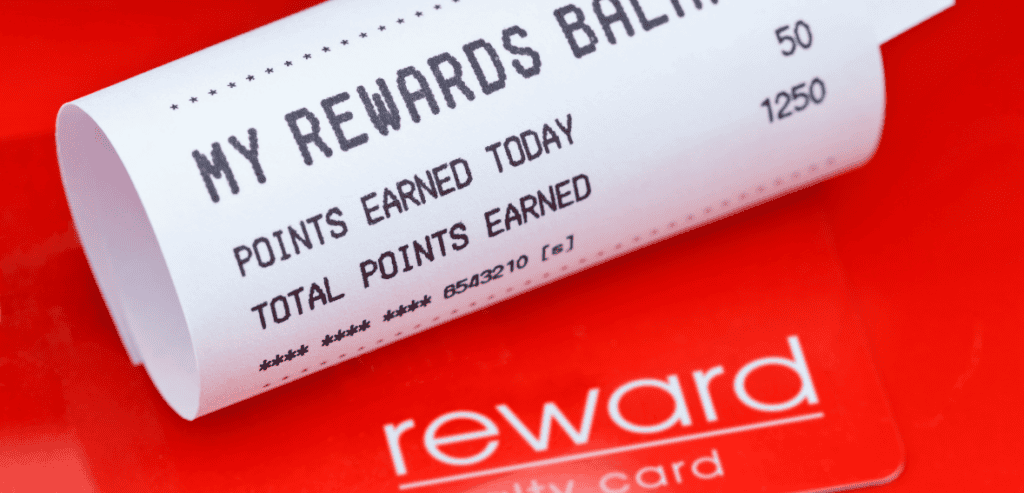
Brands leverage e-wallets for loyalty because they are easy and convenient for consumers. Instead of having to switch between two different apps for payments and another for earning points, it’s all done in one place. It’s also easy for consumers to earn and redeem points.
E-wallets also provide brands with valuable consumer data. They can see where consumers are shopping, when they are shopping, and even what they like. This way, they can send consumers personalized offers and deals on things they will really want. But at the same time, e-wallets are also secure for consumers. Payment information is protected through tokenization.
Having a loyalty program in an e-wallet also encourages consumers to keep returning. Loyal consumers make more purchases, which increases the value of the relationship for the brand. In addition, it’s easy for brands to send consumers real-time messages, such as push notifications, location-based offers, and even reminders about expiring points.
Key Considerations When Designing Digital Loyalty Programs With E-Wallet
When planning to develop a digital wallet with loyalty program features, some important things must be kept in mind. For instance, the digital wallet app you develop should be easy to use, secure, and enjoyable for the user, while also offering real value.
First and foremost, security is crucial. For instance, the user’s sensitive information, including payment information and loyalty points, should always be fully protected through encryption and tokenization, as well as secure login features such as fingerprint and facial recognition. In addition, multi-step verification, such as SMS and email, should always be included to enhance security.
The digital wallet app should also be easy for users to use. For instance, the user should have an easy way to check their loyalty points and promotions, and to redeem their rewards without complications. In addition, the app should offer a smooth registration process, including options for social media, phone, and email registration.
Thirdly, another factor to be considered in the application is personalization. The application should display offers and discounts depending on the user’s purchase history. For instance, if the user has been buying cosmetics, they should be offered discounts on new skincare products. Personalization makes the user feel special, thereby increasing their interest in the application.
Another factor to consider in the application is the incorporation of a reward system. The application should be able to reward users with loyalty points. The points should be categorized into levels depending on the points earned. The user should be rewarded with additional benefits depending on the level they reach. The application should incorporate challenges, achievements, reward systems, and games.
Lastly, the application should comply with privacy and data protection laws. The application should protect user data and be transparent about its use to comply with GDPR regulations.
Therefore, the application should incorporate security, simplicity, personalization, reward systems, and data protection to be successful. This way, the application can make the user feel special and thereby increase their loyalty.
How Agents Can Set Up Biometric-Secured, Automatic Loyalty Rewards via Mobile Wallets
For the points and rewards system to be automatic and integrated with the checkout process via the mobile wallet, the agents must first connect the merchant’s loyalty program with the digital payment system. This involves connecting the points system to the digital wallet so that every purchase is monitored in real time. When the customer makes a purchase via the digital wallet, points are automatically earned or redeemed, and rewards or discounts are applied in real time. For instance, the café can reward customers with a free drink after a certain number of purchases, without requiring them to present the loyalty card or enter a reward code.
Security is an integral component in the setup of the points and rewards system. The use of biometrics, such as fingerprint and face recognition, ensures the security of the payment and reward system. The customer simply has to authenticate their identity, and the points or rewards system operates seamlessly during checkout. This aligns with the 2026 trend toward effortless, frictionless digital loyalty.
When discussing the concept with merchants, agents should focus on the benefits of digital loyalty programs. For instance, the automated reward system minimizes errors, speeds up the payment process, and increases the customer’s inclination to participate in the loyalty program. Additionally, the integration with mobile wallets enables merchants to gain valuable insights into customer behavior, allowing them to send targeted communications and reminders, thereby driving repeat business and maximizing customer lifetime value.
Lastly, the future benefits to the merchant can also be emphasized. For instance, by using a biometric-secured wallet-based loyalty program, merchants can stay ahead in a competitive landscape while also satisfying customers’ evolving needs.
Conclusion
Digital loyalty programs via mobile wallets are revolutionizing how businesses interact with their customers. This is because, by integrating features such as payments and rewards into a single application, businesses can make their loyalty programs not only easier but also more engaging. This not only enhances the overall customer experience but also benefits the business.
FAQs
What is a digital loyalty program within a mobile wallet?
It is a way for customers to collect points or rewards, or enjoy discounts, and then redeem them or use them in a mobile wallet.
How are rewards applied at checkout?
Rewards or points can be automatically calculated and applied at the time of payment, without the need to scan or enter physical cards or codes.
Is it secure for customers to use a mobile wallet for rewards and loyalty?
Yes, mobile wallets are highly secure because they use encryption and biometric authentication, such as fingerprint or face recognition.
Are there opportunities for businesses to personalize rewards for customers?
Absolutely. Businesses can use data analytics to personalize offers for customers, thereby increasing customer engagement.
What are some compelling reasons for businesses to consider mobile wallet loyalty programs?
They are error-free, quick, and efficient. They are also highly relevant, as they align with the latest technology trends expected to come into play in 2026.