

Global remittances and low-cost FX solutions play a key role in making international payments simple and affordable. As more businesses and individuals send money across borders, reducing transfer fees and getting better exchange rates has become essential. Using the right tools and strategies helps save money, improve speed, and ensure smooth global transactions without unnecessary financial losses.
Understanding Cross-Border Payment Methods

A cross-border payment is when money is transferred from one individual or business to another, located in different countries. These types of transactions have become increasingly common nowadays, particularly with the massive surge in global trade and the rise of remote work. Picking the right payment method is not always a walk in the park.
It is determined by factors such as the amount to be transferred, the delivery time, the currencies to be used, and the total cost, including fees and exchange rates. Wire transfer remains one of the most traditional options in this field. This way of transferring money, directly from one bank to another, most times through international banking networks, is very common. Its main characteristics, such as safety and wide acceptance, make it the number one choice for high-value transactions.
On the downside, it usually takes time to be processed and may cost more when several banks participate in the transfer. Then, credit cards emerged as a handy alternative for making international payments. It is common for merchants to receive payments from foreign customers via cards. Besides being fast and convenient for online shopping, it unfortunately comes with additional charges such as currency conversion and international transaction fees, which may increase overall spending.
EFTs, or Electronic Funds Transfers, are increasingly common as they are one of the fastest and simplest ways to make payments. Such transactions are carried out electronically and may include things like bank transfers or e-checks. Usually, they are cheaper than wire transfers and still offer a good balance of speed and cost. For businesses, this payment mode works well for regular interval payments or continuous transactions.
However, a few people still use international money orders, especially for smaller amounts. These are either delivered physically or processed through financial institutions. Even though they are marked as trustworthy methods, they are slow and quite inconvenient compared to digital ones. They are often used when other payment options cannot be met. Nowadays, online payment platforms dominate how we handle cross-border payments.
Thanks to these, anyone anywhere in the world can send money with a simple button click, without hidden fees, and benefit from very favorable exchange rates, too. Not only are such platforms user-friendly, but they also generally outperform banks in terms of speed. Mainly, they have become the favorite choice of freelancers, small businesses, and people who need a reliable way to transfer money across countries. Besides, many businesses collaborate with remittance partners to facilitate smooth, convenient worldwide transfers.
Recently, cryptocurrencies emerged as exciting alternatives in the space. Through digital currencies, individuals can send money to any part of the world, even without involving banks. Besides being fast and secure, cryptocurrency transactions can also be volatile, as cryptocurrency prices can vary rapidly, posing a risk. Though the number of users is increasing, a considerable portion of the population still prefers traditional, stable methods for daily transactions.
Anyway, the payment solutions that require cross-border money transfers are numerous and diverse. Each mode is quite different from the other when it comes to its pros and cons. It is important that you know your own priorities and thus choose the option that best balances speed, cost, and reliability for you.
Managing FX Costs and Compliance in International Sales

International sales is far more complex than simply getting paid by customers abroad. Besides that, businesses have to deal with currency exchange costs and the strict rules required to stay compliant. If done properly, it can protect profits and keep the business running without unnecessary risk. The easiest way to save money on foreign exchange is to reduce the number of currency conversions.
Businesses can set up multi-currency accounts to receive payments in the same currency their customers use. This way, they will not be charged extra for conversion. On the other hand, tools like TransferWise are usually chosen because they provide more transparent fees and better exchange rates than many traditional banks.
Another wise move is to fix exchange rates in advance. It comes in handy for big payments or regular transactions. By setting a rate, companies can avoid unexpected losses from currency fluctuations. Making payment plans based on market trends can also lead to cost savings.
Selecting the right payment and remittance partners is a major factor as well. Those providers that are reputable generally give you the benefits of quick money transfers, low fees, and increase your idea of the processes involved in each case. So, you won’t be bothered by the delays or hidden costs when managing international payments. Also, businesses need to be aware of and follow the rules governing these activities.
One of the main conditions is to know your customer, or in short, KYC. This is where you identify customers before you actually do business with them. It is an effective means of preventing fraud while also verifying the legitimacy of transactions. In fact, this is where you need accurate, up-to-date records. Coming to the other regulation, there is also one from the Office of Foreign Assets Control, commonly known as OFAC. It is the one responsible for listing individuals and countries under restrictions.
For this very reason, businesses must ensure they have no dealings with banned entities and check their customers’ names against these lists. Failing to conduct these checks can have very serious consequences under the law, including severe penalties. Most of the time, companies resort to payment systems that are embedded with compliance tools to make the whole process seamless. Such tools can help automate identity verification and transaction screening. Therefore, if you invest in a combination of smart FX strategies and robust compliance checks, the company will be able to close international sales with greater certainty, significantly reduce costs, and completely avoid unnecessary risks.
Benefits and Challenges of Cross-Border Payments
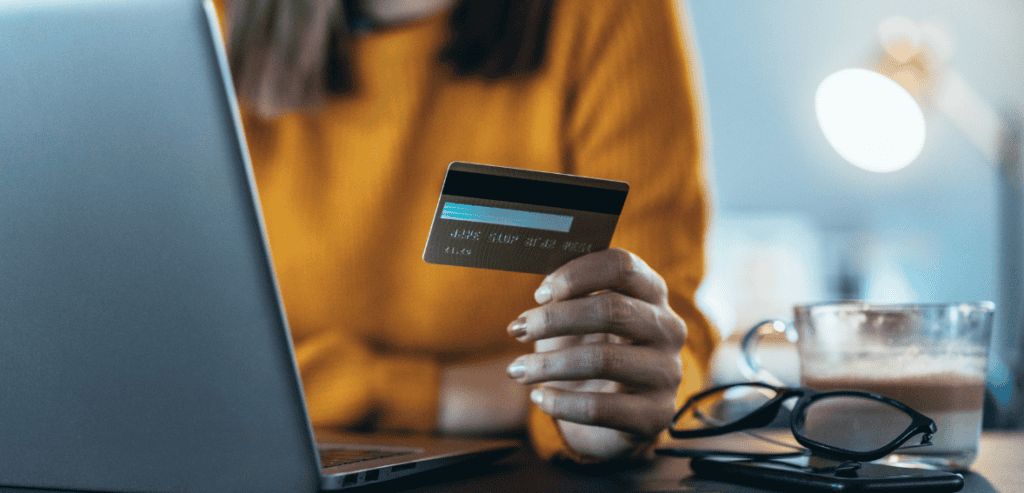
International payments can expose a company to a wide range of opportunities if it intends to expand beyond the local scene. They essentially open the door to selling to customers in different countries and allow one to directly connect with international suppliers. They also pave the way for you to enter new markets. Diversification through partnerships in multiple countries not only increases sales but also enables the business to rely less on a single region.
On the other hand, companies may also use their payment methods to pay lower fees and have more choices for sending and receiving payments. However, the benefits come hand in hand with the challenges that the company needs to be aware of. To make an international payment, one must follow many strict rules and regulations, which in turn require time and effort to handle properly.
Moreover, foreign exchange rates are subject to market fluctuations that may affect their exchange values later. Lastly, certain payment methods carry high fees, which, if not handled well, may even lead to losses.
Security matters deeply when moving money abroad. Fraud sneaks in without guards. A single breach can wipe out months of effort. Payments across borders get tangled, laws, rates, and taxes change fast.
Simple Steps to Send Cross-Border Payments Safely
Transferring money worldwide may sound complicated; however, it becomes way simpler if you follow the right steps and schedule things properly. A great deal of assistance you can get is by partnering with a payment provider that knows your line of business, the types of accounts you hold, and the people you usually deal with. Selecting the right payment means and properly verifying all information before proceeding can not only save a lot of time but also decrease the expenses as well as the chances of errors.
Basically, you have to decide on an appropriate payment first. There are various options such as bank transfers, cards, e-banking platforms, or other digital means. For each mode, there are different speeds, costs, and levels of convenience.
Therefore, it is very important to make a decision based on your particular circumstances. The most important thing is to check the current exchange rate before transferring funds if the transaction is in a foreign currency. This will give you a clear picture of how much you will pay and how much the recipient will receive. Rates of exchange fluctuate very frequently, and even a minor change can affect the final amount.
Secondly, you must enter the recipient’s information correctly. Typically, this will be their name and bank details. Sometimes you will also need to provide additional information, such as the payment purpose and reference number. A minor error at this stage can delay or reject the payment, so accuracy is advisable. It is a good idea not to rush into transferring the money but to carefully check that everything is in order first.
Make sure you get the amount, the bank details, the fees, etc., right. This is crucial, as some international transfers are irreversible once completed. After thoroughly checking the payment details and ensuring everything is in order, you should make the transfer.
Now, how long the recipient will have to wait for the money depends on the payment type, distribution channels, and the countries involved. Some transactions take less than 24 hours, while others may take a couple of days. Lastly, tracking your payment is the best practice. A majority of providers offer a reference number or you have the option to track the payment. This is handy for you to get continual updates on the payment progress and provides reassurance until the money has been securely received by the recipient.
Conclusion
Global remittances and low-cost FX solutions play a vital role in facilitating international transactions, making them more efficient and less expensive. Selecting the right providers, avoiding redundant charges, and implementing intelligent currency strategies are ways both businesses and individuals can reduce costs and increase payment speed.
Through a strategically mapped set of actions, not only would global transfers be made easier, but it would also be conducive to sustained financial security and growth in a world that is becoming more interconnected.
FAQs
What are global remittances?
It moves money between nations when people or companies send it abroad, often to help family, buy goods, or manage overseas finances. These cross-border flows form a steady stream shaped by work, need, or commerce linking distant places through cash on the move.
Is lower FX fees on global transfers possible?
Fees drop when you hold money in several currencies at once. Keeping in mind some tips like checking different rates before moving cash, switching between currencies less often means fewer charges adding up, and payment services with lower fees make a difference over time.
How secure are online money transfer services?
Security on well-known platforms often holds up thanks to strong encryption, regular checks, and adherence to rules. These layers help protect cross-border payments during transfer. Trust comes from consistent safeguards that are built into how they operate.
How long do global remittances take to process?
Processing time depends on the method used, the countries involved, and the provider, ranging from instant transfers to a few business days.
Is Global Remittance good for my business?
It is cost-effective and offers various benefits for global payments; however, whether it’s good for your business depends on your business needs, structure, budget, and other factors.