
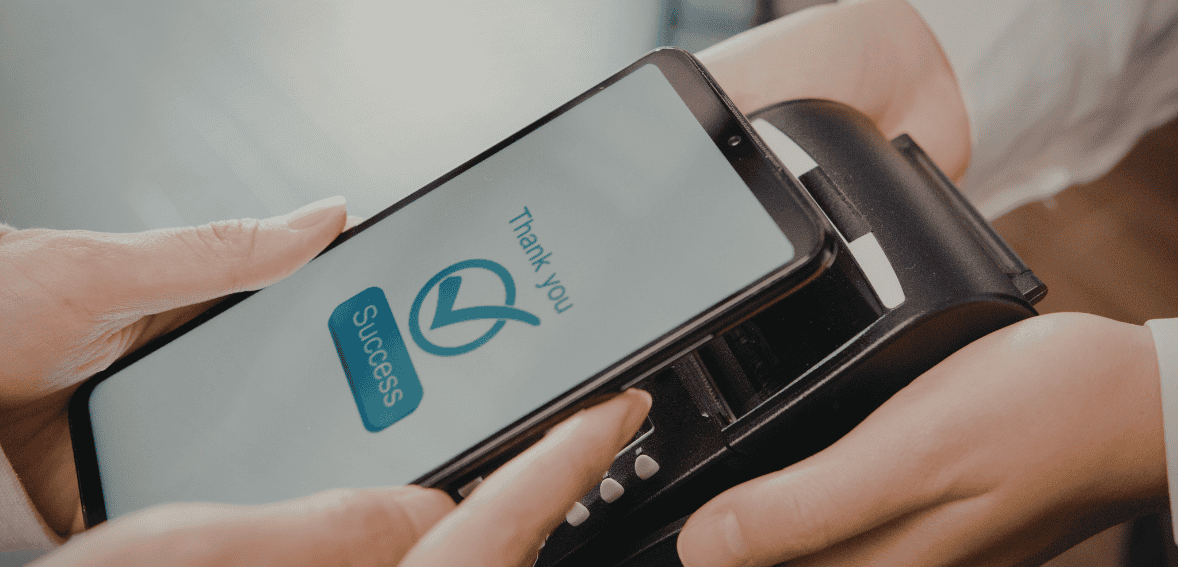
Contactless payments are no longer limited to cards. Today, options like wearables and QR codes are making transactions even faster and more flexible. Customers can pay using smart devices or simply scan a code, without needing cash or physical cards. These methods help businesses offer smoother, touch-free experiences while meeting the growing demand for quick, convenient payment solutions.
Modern Contactless Payment Methods and Their Real-World Use Cases
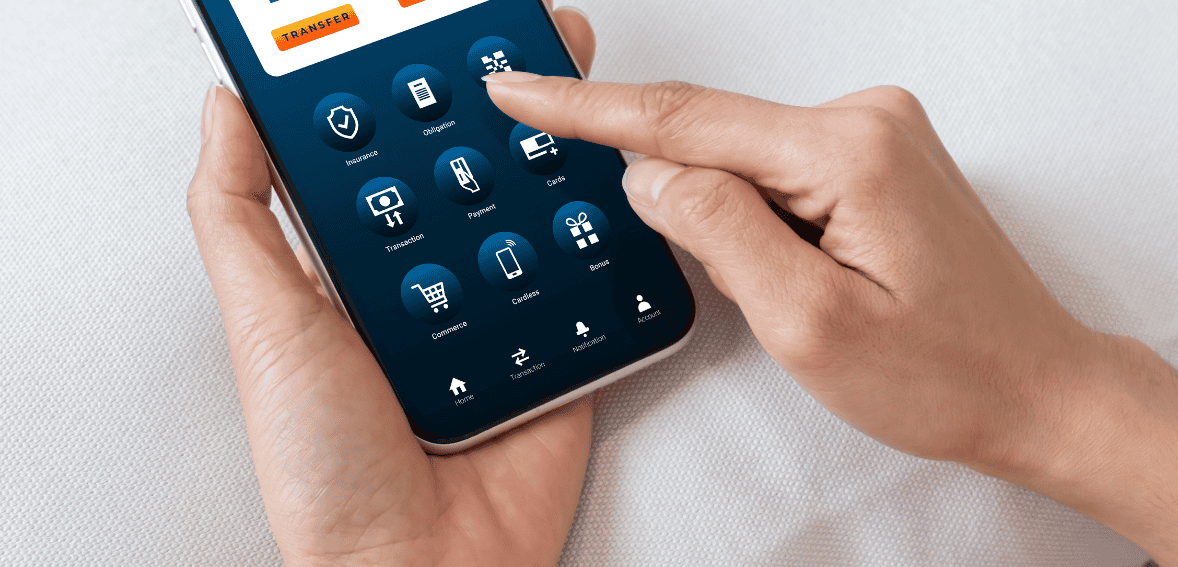
QR Code Payments
QR code payments are an easy, cost-effective way for businesses to accept electronic payments without complex hardware.
There are two forms of QR codes. Static QR codes remain fixed. They are usually kept at counters, tables, or other areas where customers have to manually enter the amount. Dynamic QR codes are generated for each transaction and include precise payment information. This makes them very accurate and secure. These are usually found in electronic invoices and point-of-sale systems. This is very commonly used in cafes and restaurants, where customers can scan the QR code found on menus or tables to make immediate purchases.
Mobile Wallets and In-App Payments
Mobile wallets are convenient for making payments as they are quick and contactless. This can be done both online and offline. Users typically link their credit or debit cards to the wallet. Payments are then made by tapping their mobile device or scanning a code and confirming the payment with a fingerprint or face ID.
Mobile wallets can also be integrated into business websites or mobile apps, allowing users to make secure in-app payments. This is extremely beneficial for online businesses or food delivery services.
Wearable Payment Technology
Wearable devices like smartwatches, fitness wearables, and ring-based payment solutions are becoming the latest trend in contactless payments, allowing users to pay without a phone or wallet. These wearable devices make use of NFC or RFID to provide contactless payment solutions. Customers can link their cards to apps like Apple Pay and then tap their wearable device to make a payment.
Wearable payment solutions are becoming increasingly popular, especially in environments where convenience is critical, such as transit or events. From a business perspective, they offer an opportunity to deliver a seamless, modern customer experience.
How Secure Are Contactless Payments? Understanding the Safety Behind Tap-to-Pay
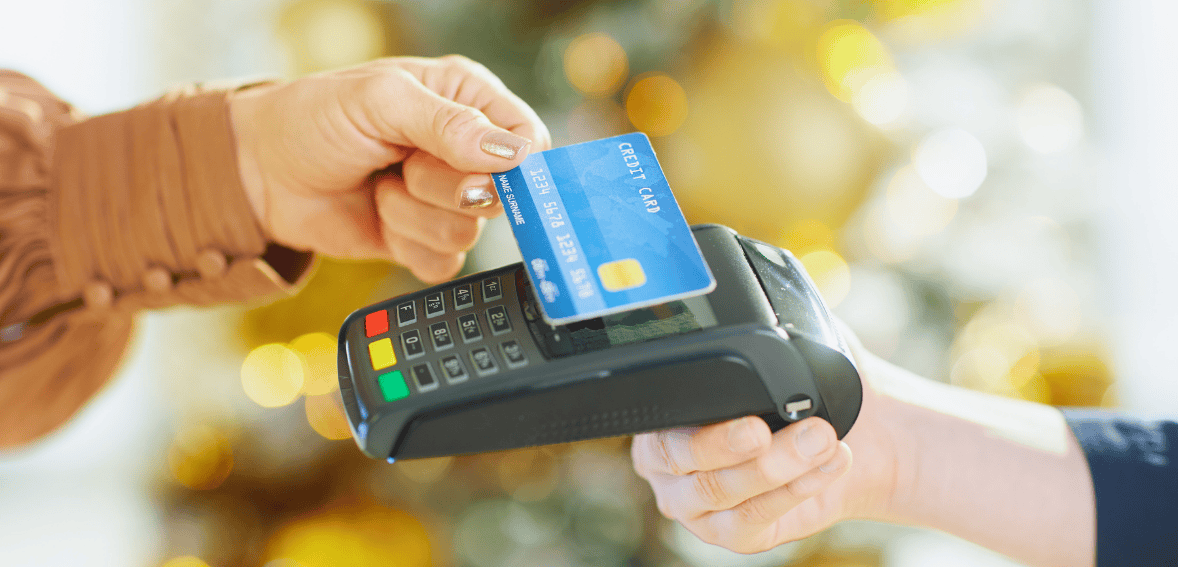
The idea behind contactless payments is to offer speed and ease, but many people also wonder how safe it really is. The good news is that tapping your card or phone is inherently safe—often safer than traditional methods like magnetic stripe cards. Of course, the fact that the payment process doesn’t require a physical connection to the payment machine might raise some alarm, but several layers of security work in the background to ensure your information is safe.
The information sent to the payment terminal when you tap your card or phone is encrypted, preventing it from being read by anyone seeking to intercept it. Additionally, near-field communication (NFC) technology has a very limited range of just a few centimeters, making it impossible for someone to ‘capture’ your information remotely.
Another robust security feature is tokenization. Instead of using your actual credit card number, the system uses a special, one-time digital token that cannot be reused. If your phone is lost or stolen, the system can cancel the digital tokens remotely without affecting your actual credit card. This makes mobile wallet use even more secure.
There are also security checks in place to prevent the misuse of the system. There is usually a spending limit for contactless payments. If the purchase exceeds the spending limit, you may be required to provide additional verification. Some systems may also be able to determine the number of times you have tapped in a row.
Some people are concerned about unauthorized transactions, such as accidental charging or someone scanning your card without your knowledge. However, this is highly unlikely. The terminal must be set up for a transaction, and your card or phone must be held very close to the terminal. It is not possible for someone to simply walk by and accidentally charge your card.
In contrast to older methods of card transactions, contactless payments use dynamic data for each payment. This means every transaction has a unique code that cannot be reused. If someone were to gain access to this information, it would be useless for future transactions.
Overall, the various security features built into contactless payments work together to create a highly secure system for your data.
Best Practices for Safe Contactless Payments

Although the system is highly secure, it is still important to consider additional precautions to further enhance its security. Remember, every small step counts toward the system’s overall security.
Consumers
It is important that you regularly check your bank or credit card statements. Do not ignore even small unauthorized amounts. It is recommended that you enable real-time alerts with your bank to monitor your account activity in real time.
It is also recommended that you enable strong security on your phone, such as a strong passcode or biometric authentication, especially if you use a mobile wallet.
Always be aware of your surroundings when making a payment. If you are required to enter a PIN, ensure you cover the terminal.
Additionally, if you notice any suspicious activity, immediately contact your bank to report your card or phone as stolen or misplaced.
Merchants
Merchants must always ensure they use certified, secure payment hardware and software. It is also critical to keep payment systems up to date with the latest security patches. Furthermore, merchants must adhere to PCI DSS requirements, which are in place to protect customer payment information.
Another important aspect is staff training. They must be aware of how contactless payments work and how they can assist customers and recognize suspicious behavior.
By combining secure technology with these best practices, merchants can ensure a safer and more seamless payment experience for everyone involved.
How Agents Can Guide Merchants Toward Next-Generation Payment Acceptance
Agents can play an important role in assisting merchants on their journey towards modern, next-generation payment systems. This involves more than simply recommending new tools; it is about helping the merchant select the right mix of payment options, enhancing the customer experience, and maintaining security and compliance.
First, the agent should understand the merchant’s business model. A small retail store, a restaurant, or an online business, each is different. The agent should analyze customer behavior or transaction flow; otherwise, the recommended payment options might not enhance the business’s efficiency or sales. A cafe might need the option of QR code payments or mobile wallets, while an online business might need in-app payments or digital wallets.
Agents need to offer and suggest the POS type, payment gateway, and related services that best suit the merchant’s business model and future goals. By explaining the functionality of each type of payment option in simple terms, the merchant will feel more comfortable using the latest technology.
Agents should also consider the system’s scalability so the business can expand without needing to change the system later.
Agents should ensure merchants know how to properly use secure payment terminals, enable encryption and tokenization, and adhere to standards such as PCI DSS. They should also be educated on how features such as transaction alerts, fraud detection, and authentication tools benefit their business and customers, thereby building trust and preventing potential financial losses. Agents are also useful in improving the checkout experience. This includes ensuring faster payments, fewer steps, and multiple options, which results in increased conversions by making the payment process as fast and easy as possible.
Training and support go hand in hand. The process of introducing new payment systems can be overwhelming. Therefore, the agents should ensure that the merchants receive the necessary training in using the technology. This ensures the smooth flow of the system and reduces mistakes during the transaction.
Finally, agents assist merchants in tracking performance and promoting adaptability. Since payment technology is constantly evolving, encouraging merchants to be open to new systemic changes is crucial for their long-term success.
Conclusion
Contactless payments are no longer limited to cards, providing consumers and businesses with greater flexibility than ever. New technologies such as wearables and QR codes are making payments faster, easier, and more convenient for consumers. As consumers increasingly seek quick and touchless payment methods, adopting these technologies ensures businesses remain relevant, providing an enhanced customer experience and keeping pace with the future of digital payments.
FAQs
What are contactless payments beyond cards?
These include QR codes, mobile devices, and wearables, enabling customers to transact without a physical card.
Are wearable payments secure?
The use of wearables for transactions and purchases is safe, as they use encryption and authentication, such as PINs or biometric technology.
How do QR code payments work?
The customer will scan the QR code with a mobile app and complete the payment process immediately without a card.
Do businesses need special hardware for QR payments?
The answer to this question is no, as QR payments can be processed via printed codes, making it easy and cost-effective for businesses to accept them.
Can contactless payments work without an internet connection?
Yes, for some devices like NFC cards, but most contactless transactions require internet access to complete.